How Much Time Off Do You Really Need to Recharge?
It takes up to eight days of being fully disconnected to switch off from work - and every check-in resets the clock. What that means for your next vacation, and for the example you set for your team.
Sustainable approaches to energy, attention, boundaries, and a healthier relationship with work.

It takes up to eight days of being fully disconnected to switch off from work - and every check-in resets the clock. What that means for your next vacation, and for the example you set for your team.
Often, when I introduce myself, I say, “I have grown up in tech.” It’s true. I’ve gone from Product Manager to CPO. I’ve co-founded and led a venture-backed startup all the way from idea to acquisition. My equity gained value more than a handful of times, which is a rarity in the world of startups. I’ve gone from leading a bootstrapped company with three employees to teams of hundreds at a publicly-traded monolith doing billions of dollars in revenue. I’ve seen and experienced a lot. And yet, I knew that I was done and ready to call it quits over a year ago. I recently left my executive leadership position at Mailchimp and, in doing so, I left a nearly 30-year career in tech.
Remote meetings via video pose a whole new set of challenges. Distractions abound and are only a keystroke away. How do you make sure you stay focused and present even as meetings via video make up the larger part of your day? In this post we go into a few strategies that have worked for us.
As leadership coaches, we are often asked what a coaching session is like, when it’s a good time to start coaching, and about our personal experiences with coaching. We set out to answer those questions in this two-part series reflecting on our respective coaching journeys. This post reflects Mathias’ experience on coaching.
As leadership coaches, we are often asked what a coaching session is like, when it’s a good time to start coaching, and about our personal experiences with coaching. We set out to answer those questions in this two-part series reflecting on our respective coaching journeys. Part One is Sara’s experience, and stay tuned for Part Two with Mathias’ reflections on coaching.
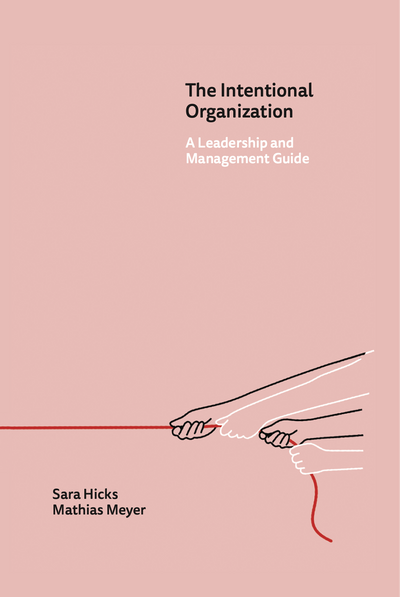
Great products flow from diverse teams, deliberate processes, and a culture that nurtures different ideas and perspectives. With The Intentional Organization, you’ll learn how to create an environment that values people as humans rather than resources, solve the most common organizational problems in simple and practical ways, and find inspiration on how to lead your teams more effectively.