In leadership roles, it's our personal beliefs that are holding us back. Most folks on our teams wouldn't challenge us, many folks wouldn't even notice. Neither do we. There are simply things we don't see until a mirror is held up to our faces. That's where coaching comes in.
What actually happens inside a coaching session? Sara and Mathias share what brought them to coaching, from co-founder tension to figuring out the CEO role. They talk about vulnerable first conversations, awkward homework, practicing difficult conversations, and the questions that helped them turn reflection into action.
Why do most company values end up as forgotten murals on a wall? Mathias and Sara unpack what actually makes values useful, and share the messy, real trade-offs (layoffs, burnout, "brilliant assholes") where values either prove their worth or fall apart completely.
Feedback usually fails because it's vague, rare, or saved up for a scary annual review instead of being regular and specific. Mathias and Sara dig into why that happens—blind spots in meetings, power dynamics, fear of reaction–and what actually fixes it: tying feedback to clear expectations, keeping a running feedback log, and ditching empty praise like
As we launch season one of The Intentional Organization Podcast, with episode one on navigating difficult conversations, Sara found herself in two coaching sessions last week on the exact same theme, plus a hard conversation of her own. In this honest reflection, Sara shares what she's learned about where difficult conversations really start, why piling on months of frustration backfires, and what it costs to fall out of step with someone you work closely with. This is a must-read and must-listen for founders, leaders, and anyone who's been dreading a conversation they know is overdue.
This episode is about difficult conversations at work and in leadership. Mathias and Sara explore why these conversations feel so stressful, and why they often leave a longer emotional trail than we expect.
“What is my role as CTO?” is one of the most common questions I discuss with my clients. If they don’t bring it up on their own, it’s the first question I bring up. In this post, we break down the different types of personas, roles, and responsibilities CTOs commonly take on.
“What is my role as CTO?” is one of the most common questions I discuss with my clients. If they don’t bring it up on their own, it’s the first question I bring up. On the surface, this should be easy to answer, right? Technology, code, features, product, and other hand-waving gestures using fuzzy terms that aren’t helpful. The reality is that most people we work with don’t have a clear picture of what their role is, what responsibilities are tied to it, and what they contribute to the business as a whole.
Why is it so frickin hard to provide people with valuable feedback, let alone getting meaningful feedback from others? One of two things tends to be the case: we either don’t know how to ask for good feedback, or we don’t know how to give it. In this post we will explore how to build a feedback muscle and become a feedback magnet.
As leadership coaches, we are often asked what a coaching session is like, when it’s a good time to start coaching, and about our personal experiences with coaching. We set out to answer those questions in this two-part series reflecting on our respective coaching journeys. This post reflects Mathias’ experience on coaching.
As leadership coaches, we are often asked what a coaching session is like, when it’s a good time to start coaching, and about our personal experiences with coaching. We set out to answer those questions in this two-part series reflecting on our respective coaching journeys. Part One is Sara’s experience, and stay tuned for Part Two with Mathias’ reflections on coaching.
When everything around you is on fire, it’s easiest to point fingers elsewhere and find someone to blame. It’s tempting to just put your head in the sand and pretend nothing is happening, waiting for the storm to pass. But most issues that founders and entrepreneurs experience on a daily basis don’t go away on their own;they’re likely only getting worse. The solution is simple: We accept where we are and that we need to take responsibility and do something. We’re here now. What are we going to do?
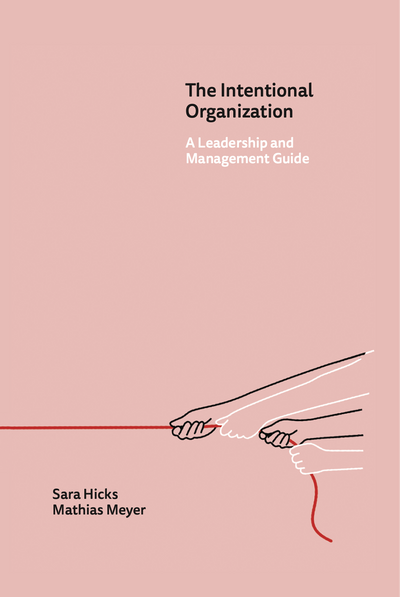
Great products flow from diverse teams, deliberate processes, and a culture that nurtures different ideas and perspectives. With The Intentional Organization, you’ll learn how to create an environment that values people as humans rather than resources, solve the most common organizational problems in simple and practical ways, and find inspiration on how to lead your teams more effectively.